

Is Fast Delivery Actually Fast?
Last Updated: October 26, 2026
Quick Summary
Fast delivery isn't a single speed but a range of service tiers that vary by retailer, location, and product type. What most people call fast delivery typically includes both order processing time (1-3 business days) and carrier transit time (2-3 business days for expedited shipping), meaning your actual delivery takes 3-5 business days total, not the 2-3 days advertised.
- Order processing time (1-3 business days) is often excluded from fast delivery promises, which only count carrier transit time.
- Expedited shipping typically costs 50-100% extra and saves 2-3 days compared to standard shipping, not overnight delivery.
- Same-day delivery costs $15-30 per order and only works for early orders in major metro areas; next-day delivery is more reliable.
- Check the retailer's cutoff time in their local time zone, count business days only, and verify the promise is guaranteed or estimated before paying.
- When fast delivery fails, contact the seller in writing with your order number and promised date to request a refund of the expedited shipping fee.
Table of Contents
- What Fast Delivery Actually Means
- Order Processing Time vs Shipping Time: The Hidden Gap
- How Fast Is Expedited Shipping Really?
- Same-Day Delivery vs Next-Day Delivery: What's the Real Difference?
- Factors That Slow Down Your Fast Delivery
- Guaranteed Delivery vs Estimated Delivery: Know the Difference
- How to Track an Online Order From Checkout to Your Door
- What to Do When Fast Delivery Isn't Fast Enough
- Choosing the Right Delivery Option for Your Needs
- Frequently Asked Questions
What Fast Delivery Actually Means
When retailers promise fast delivery, what exactly are they selling? The answer is more complicated than it sounds. Fast delivery isn't a single speed, it's a range of service tiers that vary by retailer, location, and product type.
Most online retailers offer multiple delivery options at checkout. You might see "standard shipping" (5-7 business days), "expedited shipping" (2-3 business days), or "express shipping" (next day or same day). The speed you choose determines both your cost and when your package actually arrives.
The key takeaway: fast delivery means different things depending on which shipping option you select. Understanding the difference between these tiers is your first step toward realistic expectations.
Order Processing Time vs Shipping Time: The Hidden Gap
This is where most people get confused. Your order doesn't ship the moment you buy it. Between checkout and carrier pickup, there's a processing window, and that window is the single biggest reason a "2-day" promise turns into a five-day wait.
Order processing time is how long the fulfillment center takes to pick, pack, and prepare your package for handoff to the carrier. This typically takes 1-3 business days, depending on the retailer and order volume. During peak shopping seasons, processing can stretch to 5+ business days.
Shipping time (or transit time) is how long the carrier takes to move your package from the warehouse to your door. This is the part most people think of when they hear "fast delivery."
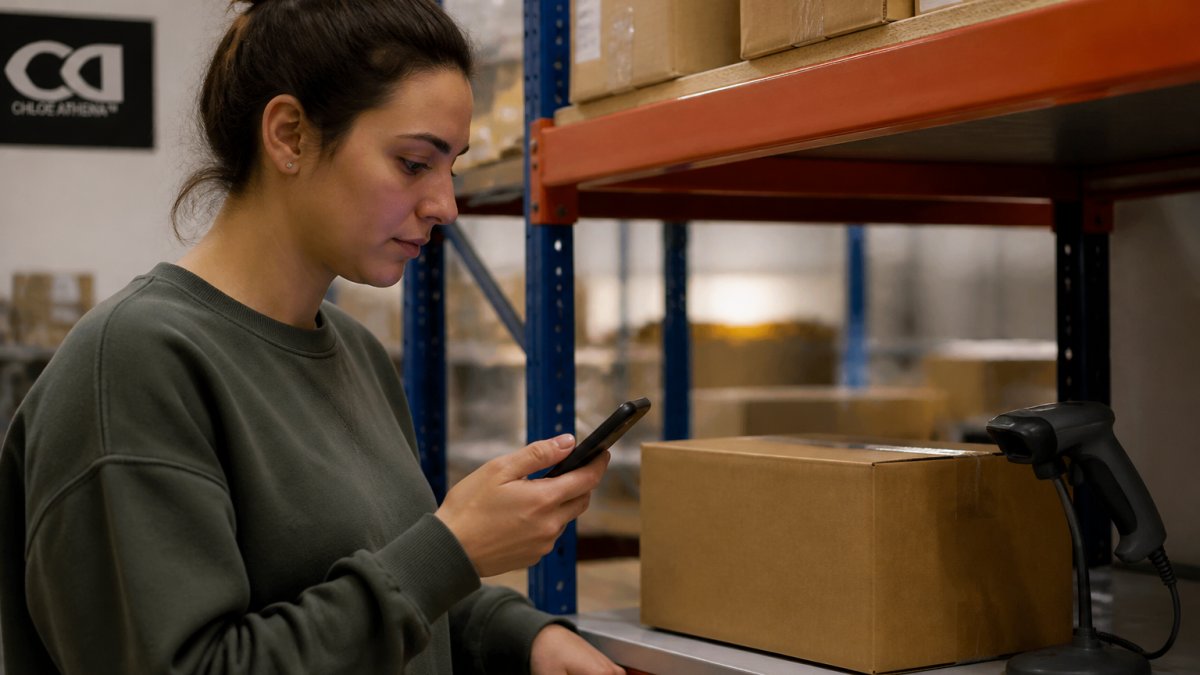
Here's the critical distinction: if a retailer promises "2-day shipping," they're usually talking about transit time only, not processing time. So your actual timeline might look like this:
- Day 1-2: Your order sits in the fulfillment center being processed
- Day 3-4: The carrier transports your package
- Day 5-6: Package arrives at your door
What looked like 2-day shipping turned into 5-6 days total. This gap between processing and transit is where most fast delivery promises break down in practice.
How to Verify a Delivery Promise Before You Pay
Rather than trusting the headline speed on the product page, run this five-point check at checkout. It takes about two minutes and tells you whether the promise is real for your specific order.
1. Find the cutoff time, and the time zone. Retailers publish an order cutoff (often 2 PM, sometimes noon or 3 PM) after which your order processes the next business day. The catch: the cutoff is usually stated in the fulfillment center's local time, not yours.
2. Count business days, not calendar days. Most processing and transit clocks exclude Saturdays, Sundays, and federal holidays. A "3-day" promise placed on a Thursday afternoon can land the following Tuesday once the weekend is removed.
3. Check where the item actually ships from. A single order can contain items stocked in different warehouses, and the package doesn't leave until the slowest item is ready.
4. Read what the checkout date actually means. A date shown at checkout is usually an estimate, not a commitment, unless the page uses the word "guaranteed" and states the remedy for a miss.
5. Confirm the promise survives checkout. Screenshot or save the order confirmation page showing the delivery date and service level you paid for.
When you're evaluating a retailer's delivery speed, always ask: Does this include processing time, or just carrier transit time? The answer changes everything, and the checkout page rarely volunteers it.
How Fast Is Expedited Shipping Really?
Expedited shipping sounds urgent. The name alone suggests your package gets priority treatment. In reality, expedited shipping is a middle ground between standard and express options.
Expedited shipping typically means 2-3 business days of carrier transit time. But remember: that's after processing. So you're looking at 3-5 business days total from checkout to doorstep, depending on how quickly the fulfillment center moves.
The speed boost comes from a few factors:
- Your package gets routed through faster carrier networks
- It skips some intermediate sorting facilities
- The carrier prioritizes it over standard packages
- Weekend delivery may be included
Expedited shipping costs more than standard options, usually between 50-100% extra depending on distance and weight. For a $20 shirt, expedited might add $5-8 to your bill. For heavier items, the cost can be substantial.
The realistic expectation: expedited shipping gets your order to you faster, but not dramatically so. You're saving maybe 2-3 days compared to standard shipping, not getting overnight delivery. If a retailer promises expedited delivery in 2 days total (including processing), that's unusually fast and worth investigating before you believe it.
Expedited shipping offers a middle ground between standard and express options, with realistic timelines and costs.
| Shipping Option | Transit Time | Total Time | Cost Increase |
|---|---|---|---|
| Standard | 5-7 business days | 5-7 business days | Baseline |
| Expedited | 2-3 business days | 3-5 business days | 50-100% extra |
| Next-day | 1 business day | 1-2 business days | Higher premium |
| Same-day | Hours | Same day | $15-30 per order |
Same-Day Delivery vs Next-Day Delivery: What's the Real Difference?
Same-day and next-day delivery options sound similar, but they operate under completely different constraints.
Next-day delivery is the more realistic promise. Your order processes during business hours, gets handed to the carrier that evening or the next morning, and arrives the following day. This works because the carrier has a full 24-hour window to move the package. Next-day delivery is now standard from most major retailers, especially for orders placed before a cutoff time (usually 2 PM).
Same-day delivery is the premium tier. Your order must process within hours, get picked up by a local courier or delivery service, and reach you before midnight. Same-day delivery only works for:
- Orders placed early in the day (before 10 AM or noon)
- Items that are in stock and ready to ship
- Addresses within the retailer's delivery zone (usually major metro areas)
- Products that aren't oversized or heavy
Same-day delivery costs significantly more, often $15-30 per order. It's also the most fragile promise: weather delays, high order volume, or inventory issues can push your delivery into the next day.
Here's what we recommend: Next-day delivery is reliable enough for most purchases. Same-day delivery is worth considering only if you genuinely need something urgently and you're willing to pay the premium. For routine clothing purchases, next-day is the sweet spot between speed and cost.
Factors That Slow Down Your Fast Delivery
Even when you pay for fast shipping, your package might not arrive on schedule. Several factors are outside the retailer's control, and some aren't.
Inventory and fulfillment delays are the biggest culprit. If an item is low in stock or needs to be pulled from multiple warehouses, processing takes longer. Some retailers consolidate orders to save on shipping costs, which delays fast delivery.
Carrier capacity matters more than most people realize. During holiday shopping or bad weather, carriers get backed up. Your expedited package sits in a sorting facility waiting its turn, just like standard packages.
Distance and geography affect transit time directly. A package heading to a rural area takes longer than one going to a major city. Regional carriers have different route networks and service frequencies.
Weather and logistics disruptions create unpredictable delays. Storms, natural disasters, and carrier strikes can add days to any shipping timeline. These are genuinely unforeseeable.
Order cutoff times are easy to miss. If you place an order at 3 PM but the retailer's cutoff is 2 PM, your order doesn't process until the next day. That single hour can push your delivery back 24 hours.
The reality: even with expedited or express shipping, you should assume 1-2 days of buffer time. If you need something by a specific date, order at least 3-4 days early, not the day before.
Guaranteed Delivery vs Estimated Delivery: Know the Difference
Not all fast delivery promises are equal. Some retailers offer guaranteed delivery dates. Others offer estimates.
Estimated delivery is the standard promise. The retailer shows you a date range, typically "arrives by [date]", but this isn't a guarantee. If your package arrives a day late, there's usually no recourse. Estimated delivery protects the retailer from liability if something goes wrong.
Guaranteed delivery is rarer and more valuable. The retailer commits to a specific date. If the package arrives late, you get a refund, credit, or discount. Guaranteed delivery shifts the risk from you to the retailer, which is why it costs more.
Before you pay for fast delivery, check what the retailer actually guarantees:
- Is it a specific date or a date range?
- What happens if the package arrives late?
- Does the guarantee apply to all addresses or just certain zones?
- Are there exclusions for weather, holidays, or carrier delays?
Many retailers advertise "guaranteed next-day delivery" but bury the fine print: it only applies if you order before 10 AM, live within 50 miles of a fulfillment center, and the item is in stock. That's not really a guarantee, it's a conditional promise.
When evaluating a retailer's delivery promise, read the terms carefully. The difference between "arrives by" and "guaranteed by" is the difference between hope and certainty.
How to Track an Online Order From Checkout to Your Door
Once you've placed your order, tracking gives you visibility into where your package is and when it's arriving.
Most retailers provide a tracking number via email within 24 hours of placing your order. This number links to the carrier's tracking system, where you can see real-time updates on your package's location and estimated delivery date.
Here's what to watch for during the tracking process:
- Order confirmed: Your order has been received and is queued for processing
- Processing: The fulfillment center is picking and packing your item
- Shipped: Your package has left the warehouse and is with the carrier
- In transit: Your package is moving through the carrier's network
- Out for delivery: Your package is on the delivery truck for your area
- Delivered: Your package has arrived at your address
Most carriers update tracking information every few hours once the package ships. If you don't see movement for 2+ days after shipment, contact the retailer, there may be a delay or issue.
The timeline between "shipped" and "delivered" is your actual shipping time. This is what you should compare against the retailer's promised delivery speed. If the carrier says 2-day transit and it takes 4 days, you have grounds to request a refund on the expedited shipping fee.
Tracking also protects you against lost packages. If your order never arrives, tracking proves when it was shipped and where it stopped. Use this information if you need to file a claim with the retailer or carrier.
What to Do When Fast Delivery Isn't Fast Enough
Sometimes, despite paying for expedited shipping, your package arrives late, or hasn't arrived at all when the promised date passes. What you do in the first 48 hours determines whether you get your money back. Work through these steps in order. These logistical failures often mirror the inconsistencies found in coffee shipping times, where the gap between expectation and reality frequently leaves the consumer waiting indefinitely.
Step 1: Confirm the order is actually late
Pull up two things: your order confirmation (which shows the service level and delivery date you paid for) and the carrier's tracking page. Compare the promised date against today's date, counting only business days if the retailer's terms exclude weekends and holidays. A package that is one calendar day past an estimated range is usually not late in the retailer's terms; one that is past a guaranteed date is.
Step 2: Read the tracking status for the real story
Tracking tells you where the delay lives, which determines who you contact:
- "Order received" or "processing" with no carrier scan for several days, the delay is in the fulfillment center, not the carrier. Contact the seller; the carrier can't help because it never received the package.
- "Label created" but no acceptance scan, the seller printed a label but the package hasn't been handed to the carrier. This is a seller issue and a common pattern with marketplace and drop-shipped orders.
- "In transit" but stalled at the same facility for 2+ business days, the delay is with the carrier. Contact the carrier first, then loop in the seller.
- "Out for delivery" for more than a day, or "delivered" but nothing at your door, check with neighbors and your building's mailroom, then file a missing-package report with the carrier the same day.
Step 3: Contact the seller first, in writing
For any order where you paid for expedited service, the seller is your primary contact, they chose the carrier and sold you the speed. Send a written message (email or the platform's message system, not a phone call) that states: the order number, the service level you paid for, the promised date, the actual status, and the remedy you're requesting. Written messages create a record you can escalate later.
Step 4: Ask for the right remedy
Match your request to what you were actually promised:
- Guaranteed delivery missed, request a refund of the expedited shipping fee. Many retailers honor this without argument when the guarantee is explicit; some major carriers also have service guarantees that refund the shipping charge when a package arrives late, though the terms vary by service and are often suspended during peak periods or severe weather.
- Estimated delivery missed, the retailer usually owes you nothing under its own terms, but it's still worth asking, especially for a delay of more than a week. A polite request for a shipping-fee credit or a discount on the next order often succeeds even when no formal guarantee exists.
- Item arrived damaged, contact the seller immediately with photos of the packaging and the product. Most retailers replace damaged items or issue refunds without requiring you to ship the damaged package back.
- Package lost, ask the seller to file a carrier claim or reship. The seller, not you, is typically the carrier's customer for claims purposes.
Step 5: Escalate if the seller stalls
If the seller refuses a remedy you're entitled to, escalate in this order: a written request to a supervisor or the platform's resolution center, then a dispute with your credit card issuer or payment provider. A chargeback is strongest when you have the original promise, the tracking record, and your written requests in hand, which is why Step 3 matters.
Learn how to handle returns if your order arrives too late or damaged by reading our guide on how to return online clothes(page:1)
Verify that a retailer's fast shipping claims are legitimate and avoid scams with our tips for avoiding online shopping scams(page:2)
When fast delivery fails, document everything: the original promise, the actual arrival date, and any communication with the retailer. That file is what turns a complaint into a refund.
Choosing the Right Delivery Option for Your Needs
Now that you understand how fast delivery actually works, how do you choose the right shipping option for your purchase?
Start with these questions:
- When do you actually need the item? If it's not urgent, standard shipping saves money
- How far away is the fulfillment center? Longer distances make expedited less reliable
- What's the item's value? Paying extra for fast delivery makes sense for expensive items but not cheap basics
- Is there a cutoff time? Missing the cutoff makes fast shipping pointless
- What's included in the price? Some retailers offer free expedited delivery on orders over a certain amount
For most clothing purchases at Chloe Athena, standard delivery is perfectly fine. You get your order in 5-7 business days, and you're not paying extra for speed you don't need. Plus, orders over $75 qualify for free shipping, which eliminates the cost question entirely.
Compare free shipping alternatives when fast delivery costs are too high with our picks for affordable clothing with free shipping(page:3)
Reserve expedited or express shipping for:
- Items you need within a few days
- Gifts with a specific deadline
- Replacements for something you need immediately
- Orders placed close to a holiday
For routine purchases with flexible timelines, standard shipping is the smarter choice. You save money, and you get your order within a reasonable timeframe.
Frequently Asked Questions
How fast is fast delivery, and does it include processing time?
Fast delivery typically refers to how quickly a carrier transports your package after it ships, but it does not include order processing time. Processing time is when the retailer picks, packs, and prepares your order for the carrier, this can add 1-3 business days or more. So a '2-day fast delivery' promise means 2 days in transit, but your order might not ship for another 1-2 days. Always check the estimated delivery date at checkout, which should account for both processing and transit time.
Is expedited shipping actually faster, and what's the real timeline?
Expedited shipping is faster than standard shipping, but the difference depends on the carrier and your location. Standard shipping typically takes 5-10 business days total (including processing), while expedited options like 2-day or overnight service compress the transit window. However, expedited shipping still requires order processing time before the carrier picks up your package. If processing takes 2 days and expedited shipping takes 2 days, your total is 4 days, not 2. Always read the fine print about when processing ends and transit begins.
What's the difference between guaranteed and estimated delivery dates?
A guaranteed delivery date is a promise backed by a refund or credit if the package arrives late, carriers like FedEx and UPS offer this on express services. An estimated delivery date is a best-guess range with no guarantee; retailers use this for standard shipping. When shopping, check whether your chosen shipping option includes a guarantee. If it does not, treat the date as an estimate, not a promise, and plan accordingly if the delivery is time-sensitive.
Why does a fast delivery order sometimes arrive late?
Fast delivery orders can arrive late due to factors beyond the retailer's control: carrier delays, weather, address issues, or unexpected package volume. Late processing by the retailer also matters, if they miss the shipping cutoff, your order ships the next day, eating into your transit window. To avoid surprises, place orders early in the day, double-check your address at checkout, and monitor tracking updates. If a guaranteed delivery date passes, contact the retailer or carrier for a refund or credit.
Fast delivery is real, but it's not magic. Processing delays, carrier capacity, and distance all affect how quickly your package actually arrives. Understanding the gap between what retailers promise and what they deliver helps you set realistic expectations and choose the right shipping option for your needs. When you know the actual timeline, processing plus transit, you can plan accordingly and avoid disappointment.
